
By Induction Motor 2918
Excellent Structure and Performance
Types and Industry Applications
Advantage Analysis and Selection Guide
An induction motor (Induction Motor) is an AC motor that changes electrical energy into mechanical energy using electromagnetic induction. It is a type of asynchronous motor, where the rotor speed is always lower than the synchronous speed of the stator’s rotating magnetic field. This difference is called slip, and it is the key to how the motor works.
Induction motors are used in about 85% of industrial and residential electric machines around the world. They are often called the hidden heroes of modern power systems.
Compared to other motor types, induction motors have three main advantages:
The power of an induction motor starts with the rotating magnetic field. When three-phase AC power enters the stator windings, the phase difference of the current creates a magnetic field that spins in space at synchronous speed (Ns = 120f/P).
This invisible magnetic field cuts through the rotor conductors. Like a magnetic hand, it creates electromotive force (EMF) and current in the rotor.
One key point is the slip ratio (s = (Ns - N)/Ns). Tests show that for most industrial motors, the slip at rated load stays between 2–5%. This gives strong torque output and high efficiency.
Unlike DC motors that need regular brush replacement, the brushless design of induction motors reduces maintenance costs by over 70%.
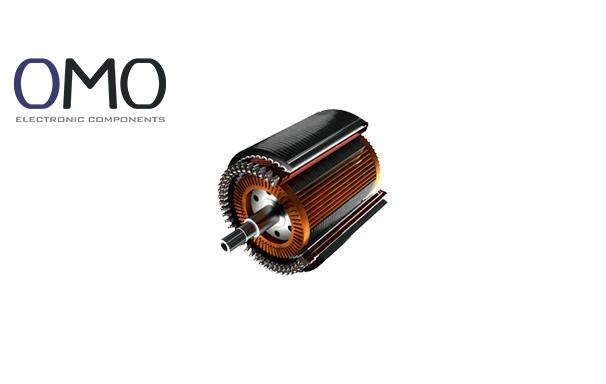
The design of the induction motor is a great example of mechanical-electrical engineering.
| Rotor Type | Structure | Applications | Efficiency (Full Load) |
| Squirrel Cage | Copper/aluminum bars + end rings | Industrial pumps, fans | 92–96% |
| Wound Rotor | Three-phase windings + slip rings | Cranes, hoists | 88–93% |
Tests show that modern squirrel cage motors lose less than 0.5% efficiency after 2,000 hours of continuous work. In comparison, traditional DC motors lose 3–5% in the same conditions.
Induction motors have a challenge: the starting current is 5–8 times the rated current, but the starting torque is low. To solve this, engineers use several solutions:
Reports show that VFD-controlled motors save 30–50% energy in pumps and fans. The payback period is usually under 2 years, better than other speed control options.
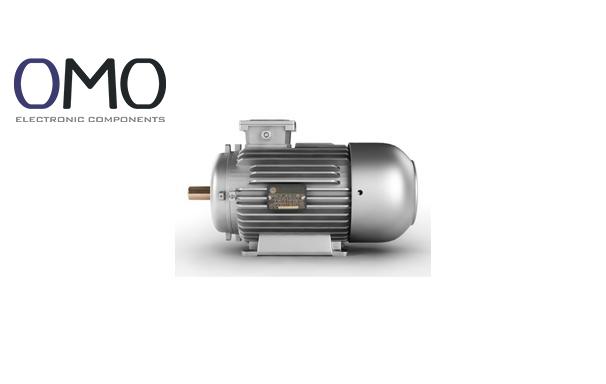
Market research shows that in machines over 5kW, three-phase induction motors hold 91% of the market and are about 35% more reliable than single-phase motors.
Industrial Field
Home Appliances
In the new energy sector, induction motors also perform well. In wind power systems, double squirrel cage rotor motors keep efficiency stable within 3%, even when wind speed changes — better than most other motors.
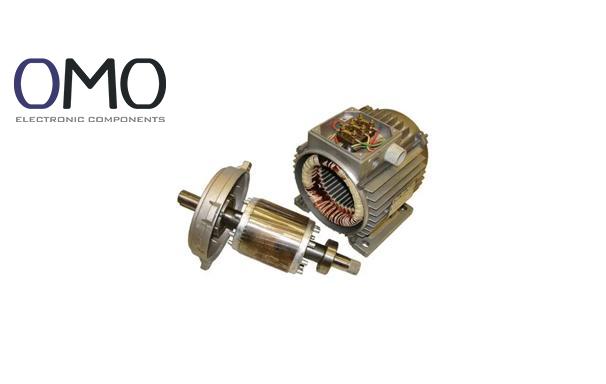
The great performance of induction motors comes from these strengths:
| Application | Recommended Type | Energy Efficiency | Maintenance Cycle |
| Central Air Conditioning | VFD Squirrel Cage | Seasonal efficiency +40% | Every 5 years |
| Oil Pipelines | Explosion-proof TEFC | ATEX safety | Every 3 years |
| Electric Vehicles | High-density design | Power density 5kW/kg | 100,000 km |
When selecting an induction motor, consider these factors:
An induction motor (alternatively termed an asynchronous motor) is a commonly employed AC electric motor comprising two primary components: the stator, which remains stationary, and the rotor, which rotates.
Induction motors function by creating a rotating magnetic field in the stator through electromagnetic induction, which then induces a current in the rotor, producing torque.
Induction motors find application in a diverse array of devices and systems, including pumps, compressors, washing machines, electric vehicles (EVs), irrigation systems, and wind turbines.
Induction motors are hindered in industrial sewing machines by poor speed control and responsiveness, insufficient low-speed torque, high energy consumption with heat generation, and limitations like noise, vibration, and size.