
By Solenoid Switches 7886
What is an Electromagnetic Switch?
Working Principle and Core Components
Fault Diagnosis and Maintenance
An electromagnetic switch is a mechatronic device. It uses the electromagnetic principle. When the coil (electrical winding) is powered, it creates a magnetic field. This field moves the core (iron piece) in a straight line. The motion controls an electric circuit or a fluid channel. As a key actuator, it changes electrical energy into mechanical energy. It plays an important role in automation. Its main value is to provide a reliable link between electrical signals and mechanical or fluid control. It is a basic element for industrial automation and smart control.
An electromagnetic switch is a device that uses electromagnetic force to control a switch from a distance or automatically. It controls high-power circuits or fluid lines with a simple electrical signal. This makes the control system faster and more reliable. Industry data shows that using high-quality electromagnetic switches can reduce system faults by about 35% and lower maintenance costs by more than 25%.
The electromagnetic switch has five key parts:
These parts work together for efficient operation. The coil is the source of energy change. Its quality decides the overall performance and lifetime.
Compared with normal mechanical switches, high-quality electromagnetic switches use vacuum-sealed coil technology. This increases corrosion resistance by more than 50%. They work well even in hot and wet environments.
Electromagnetic switches have four main features:
Because of these, they are a first choice for modern automation. The average lifetime is over one million operations.
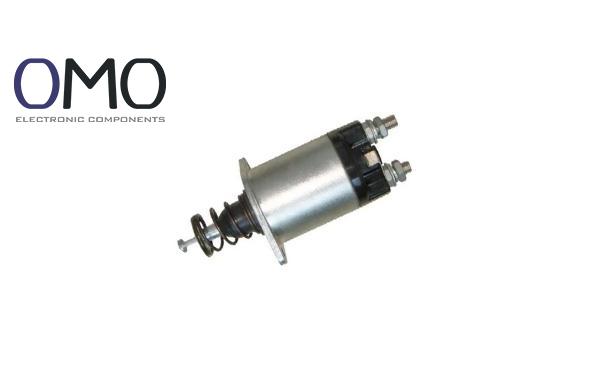
The process follows clear physics:
The whole process takes 20–100 ms, much faster than a mechanical switch.
Electromagnetic switches can do four main jobs:
This multi-function design makes them useful in many fields.
| Parameter Type | Standard Model | High-Performance Model | Improvement |
| Response Time | ≤50 ms | ≤20 ms | 60% faster |
| Electrical Life | 500,000 ops | 1,000,000 ops | 100% longer |
| Protection | IP54 | IP67 | Higher grade |
In automation, they are used in robot arms, machine tool power, and hydraulic/pneumatic systems. A car factory used high-performance switches and reduced downtime by 45% and increased output by 18%.
Electromagnetic switches are important in cars. They are used in starter relays, transmission control valves, fuel injectors, and central locking systems. Modern cars use 15–20 units. Their reliability affects the whole car.
They are also common in appliances:
These numbers decide product quality level.
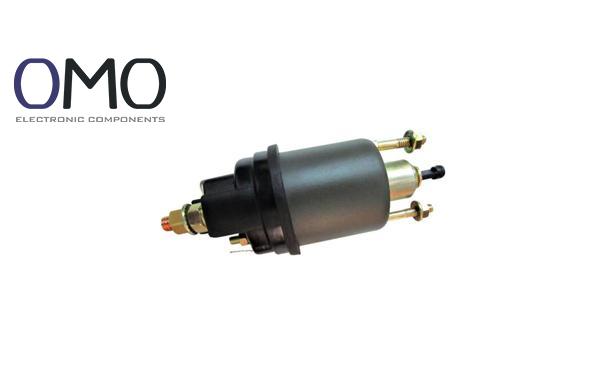
Voltage can change ±10%. More change will shorten the lifetime.
High-quality models have twice the electrical life of standard ones. This means replacement cycle extends to 36 months or more, saving cost.
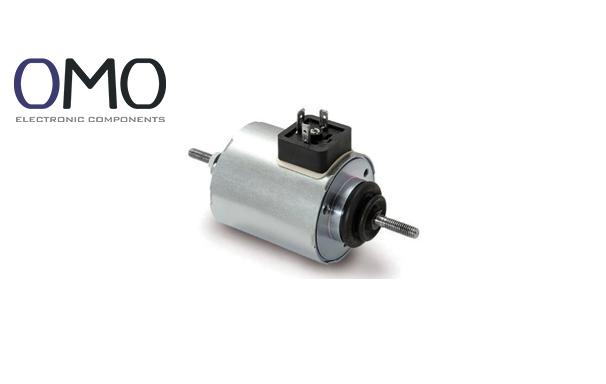
Common faults include:
About 70% of faults come from coil problems and dirt.
Use a five-step method:
Using certified tools improves accuracy by 30%.
First, wire the power source (such as a battery) to the input of the switch. Next, connect the output of the switch to the positive terminal on the solenoid. Lastly, link the negative terminal of the solenoid back to the ground terminal of the power source.
The function of a solenoid switch is to safely enable a low-power circuit to switch a high-power load. Its purpose is achieved by using an electromagnetic coil to operate the electrical contacts, opening or closing them as required.
The symptoms of a faulty solenoid switch can vary. Common indicators include a lack of the characteristic clicking noise upon activation, a complete failure to start the engine or engage connected devices, or operation that is only intermittent. Other warning signs may involve partial engagement, the unit overheating, or the distinct smell of burning.
The solenoid switch is commonly installed in proximity to the device it operates. In automotive applications, it is typically mounted on the starter motor or the fender well, while in industrial settings, it is often found within control panels or adjacent to hydraulic/pneumatic systems.